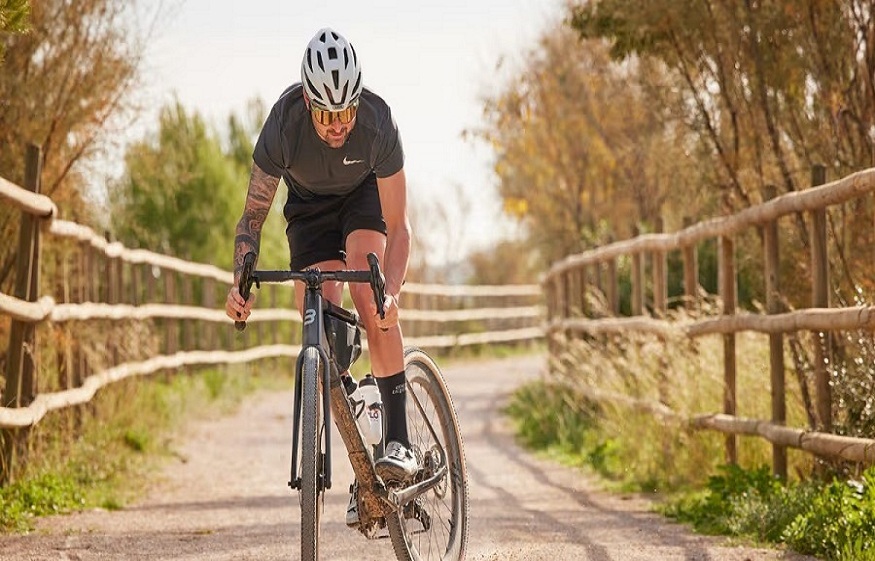
The industry witnesses a remarkable surge in popularity among gravel biking enthusiasts, offering them the freedom to explore diverse terrains away from smooth, crowded city roads. According to Steven Rindner, among the essential factors that affect performance and comfort are tires. Using the proper tire size, inflation pressure, and tread according to the terrain will allow riders to enjoy their journey much more.
This article aims to explain the importance of different factors in optimizing your gravel bike.
The Importance of Tire Width
The width of the tire directly affects its grip, comfort, and speed. The common size of the gravel bike tire ranges from 35mm to 50mm or even bigger.
Read More:How Anko Products Inc Enhances Fleet Cleaning with Touchless Truck Wash Detergent
A narrow tire size between 35 and 40mm is recommended for fast rides in conditions of packed gravel or paved roadways. These tires ensure low rolling resistance and high speeds during long-distance rides.
Wide tires, which measure from 40 to 50 mm and more, and are characterized by high stability and good traction. They are recommended for looser gravel or muddy and rocky trails. The increased air volume improves shock absorption, ensuring a smooth ride.
The selection of tire width depends on the rider’s choice in terms of terrain and comfort. Many people prefer using tires that have an average width of 40-45mm.
The Significance of Tire Pressure
Tire pressure is equally important as tire width. While road bikes are designed to perform well with high pressures, gravel bikes require low tire pressures for better grip and comfort.
With low tire pressure, the tire is capable of adhering to the irregular surface, providing better traction while minimizing vibrations, in the opinion of Steven Rindner. Low tire pressure is advantageous, especially during riding through trails, gravel, and rocky areas. Nevertheless, very low pressure poses a danger of pinching, flattening, or even puncturing the tire.
High tire pressure increases efficiency through reduced rolling resistance, but it is disadvantageous for rough surfaces since it compromises comfort. The recommended tire pressure is dependent on tire width and rider weight. If using 40mm tires, one could opt for 30 to 50 PSI.
Tires that Match the Terrain
The type of terrain will determine which types of tires work best. Knowledge of the terrain aids in determining the correct choice of tire width, tread pattern, and pressure.
Tires with a minimum tread and no knobbies are perfect for hard-packed gravel and tarmac roads. This is because they are faster and give enough grip without resistance.
For loose gravel, sand, and muddy roads, wider tires with deeper treads are preferred. Wider tires have better grip while reducing slipping, especially when turning.
For rockier and more challenging terrains, wider tires with stronger sidewalls should be chosen. Lower pressures work well on such terrains.
Balancing Performance and Comfort
Gravel cycling is about balancing speed, comfort, and handling. Narrower tire width and higher pressure mean better speed, while wider tires and low pressure provide more comfort and handling. Riders experiment by using different wheel sizes to discover which one suits their style of riding and the most common routes. Also, tubeless wheels are quite popular, as they allow lowering pressure without risking pinched punctures.
Read More:Stop Wasting Money! Auckland Auto Parts Tips You Wish You Knew Sooner
Gravel bike tire configuration is a highly personal choice that depends on many variables. This will enable cyclists to find out what gravel bike tire configuration works best for them.